



The Difference Between Steam Cleaning and Dry Cleaning for Rugs
Rugs are more than just decorative pieces; they also play an important role in protecting your flooring, adding warmth to your space, and enhancing overall comfort. However, over time, they accumulate dirt, allergens, and stains, particularly in high-traffic areas. To keep them looking their best, regular cleaning is essential – but not all cleaning methods are created equal.
Two of the most commonly used professional rug cleaning techniques are steam cleaning and dry cleaning. While both are effective in different ways, understanding the differences between them can help you choose the most suitable method for your specific rug and situation.
What is Steam Cleaning?
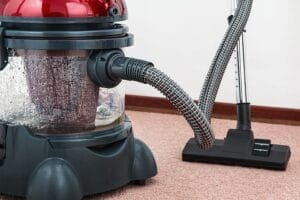
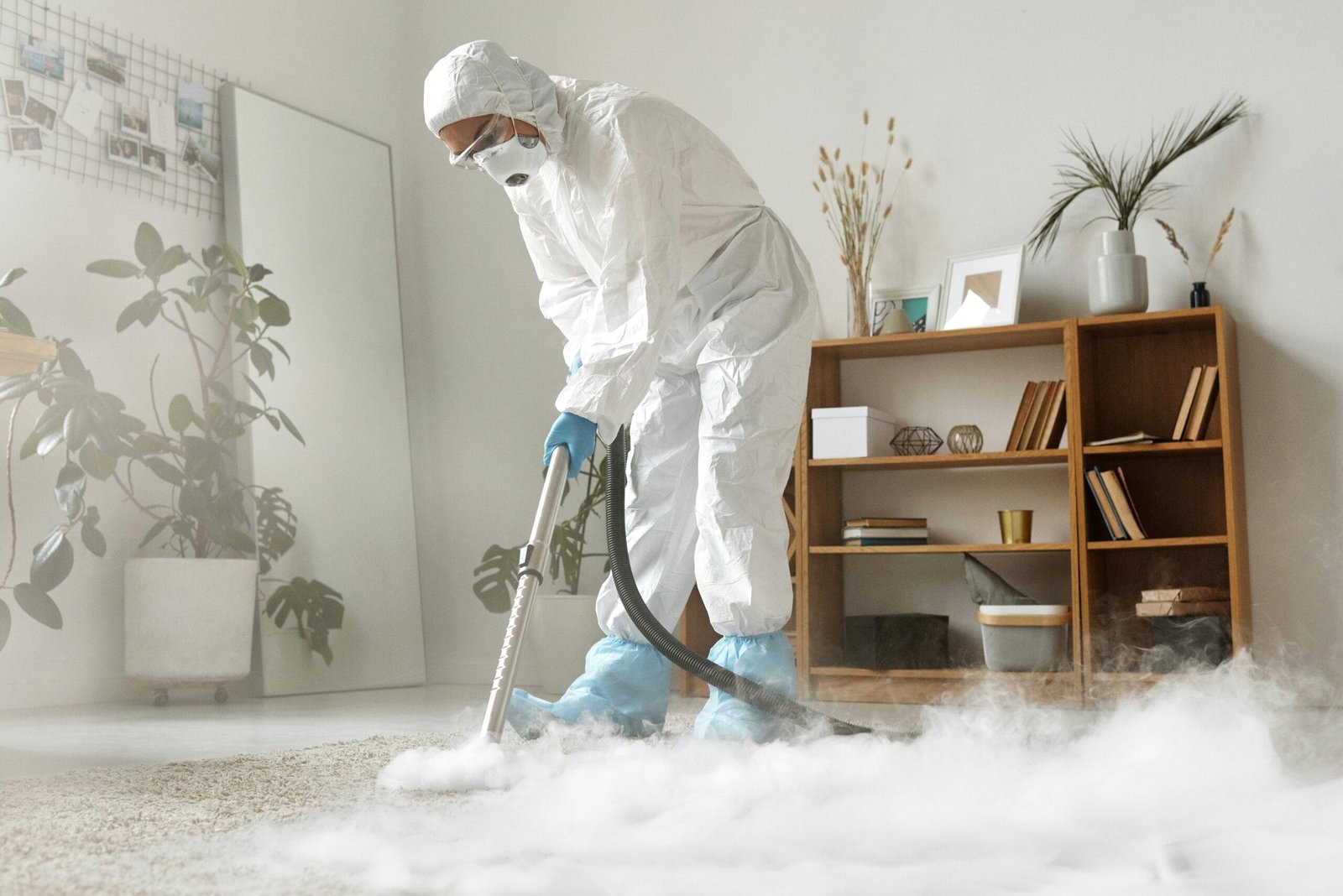
Steam cleaning, also known as hot water extraction, is a deep-cleaning method that uses a combination of hot water and detergent. The solution is injected under pressure into the rug’s fibres to loosen dirt, dust, bacteria, and allergens. A high-powered vacuum then extracts the moisture along with the embedded debris, leaving the rug thoroughly cleaned from the inside out.
This technique is highly effective at removing stubborn stains, odours, and built-up grime. It’s an ideal choice for synthetic rugs or those placed in busy areas of the home, such as hallways or living rooms. Steam cleaning is also recommended for households with pets or allergy sufferers, as it does an excellent job of eliminating mites, pollen, and pet dander.
However, there are a few drawbacks to consider. Because this method uses a significant amount of moisture, the drying time can be lengthy – typically anywhere from 6 to 24 hours. Poor ventilation or thick rug materials may extend this further. Rugs made from delicate or natural fibres like wool or silk may not react well to steam cleaning, as excess moisture can lead to shrinkage, colour bleeding, or fibre damage.
What is Dry Cleaning?
In contrast, dry cleaning uses little to no water. Instead, it relies on specialised solvents, foams, or absorbent compounds to break down dirt and oils on the rug’s surface. These cleaning agents are applied to the rug, gently agitated to lift soiling, and then removed using a vacuum or extraction machine.
The key benefit of dry cleaning is speed – rugs are usually dry and ready to use within an hour or two. This makes it an excellent option for situations where time is limited, or when dealing with delicate or antique rugs that can’t withstand heavy moisture. It’s also a safer choice for natural fibre rugs, which are more susceptible to water damage.
That said, dry cleaning is generally a surface-level clean. While it does a good job of refreshing a rug’s appearance and removing light stains or odours, it may not penetrate deeply enough to remove deeply embedded dirt or allergens.
Which Method Should You Choose?
Choosing between steam cleaning and dry cleaning depends largely on the type of rug you have, its condition, and your specific cleaning goals.
For heavily soiled rugs, especially those in high-use areas or made from synthetic materials, steam cleaning offers a more thorough, restorative clean.
For delicate, vintage, or natural fibre rugs, or when a quick turnaround is needed, dry cleaning is often the safer and more convenient choice.
If you’re unsure which method is best, it’s always advisable to consult with a professional rug cleaner. They can assess your rug’s material and condition, and recommend a tailored approach to ensure the best results without risking damage.
Final Thoughts
Both steam cleaning and dry cleaning have their place in rug care, and the right method can breathe new life into your floor coverings. By understanding the strengths and limitations of each approach, you’ll be better equipped to protect your investment, maintain a clean and healthy home, and keep your rugs looking their best for years to come.